
Prime Highlights
- TCL CSOT’s APEX framework uses AI to cut R&D cycles and reduce defects.
- The new RGBC pixel structure adds cyan to RGB for sharper, more accurate visuals.
Key Facts
- TCL CSOT is a TCL Technology subsidiary producing displays across TVs, smartphones, and AR/VR.
- Its inkjet OLED method eliminates fine metal mask waste, achieving up to 400 PPI.
Background :
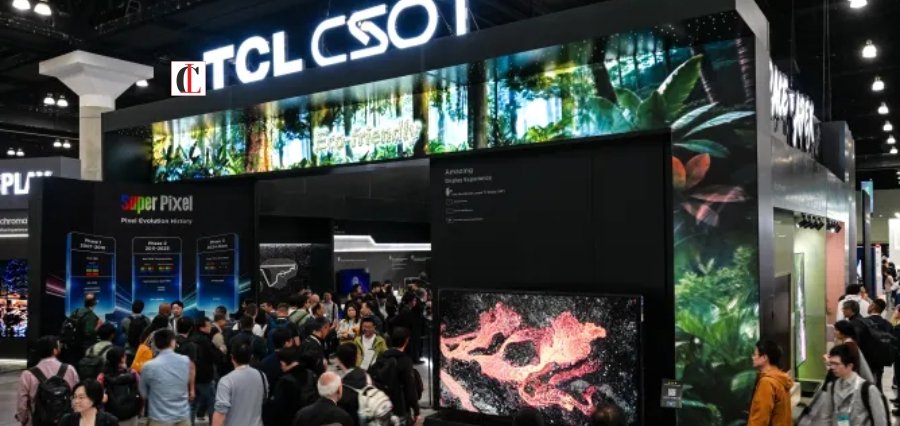
APEX has been introduced by TCL CSOT, which is one of the most renowned companies when it comes to advanced display technology, and is a subsidiary of TCL Technology, at SID Display Week 2026.
APEX can be considered a human-focused approach towards developing high-end displays. Ming-Jong Jou, Chief of Technology Planning Center at TCL CSOT, described APEX as an effort to place human experience at the centre of display engineering, with AI embedded throughout the development process.
A key product under this philosophy is the world’s largest HVA Ultra TV Display at 130 inches, featuring an ultra-slim 29.8mm profile. An innovation in the form of 85 inches WHVA Ultra LCD TV Display with an 85-inch display based on RGBC pixel technology has also been invented by the company, which includes a dedicated cyan subpixel in addition to existing red, green, and blue subpixels.
The usage of AI is critical in all aspects of the APEX innovation framework. For instance, TCL CSOT’s AI digital twins do simulations that cut down each project’s R&D timeframe by as much as two months. Also, AI quality assurance helps increase the efficiency of analyzing the problems associated with the products by 20 percent, material creation by 30 percent, and the missed defect ratio by 85 percent.
Furthermore, ink jet printing technology helps in manufacturing OLED through printing the organic material accurately without wasting it while doing fine metal mask printing. Products using this method include automotive cockpit displays and a foldable portable monitor.
For automotive use, TCL CSOT has developed advanced heads-up display solutions, including the world’s first ultra-high brightness Micro LED AR-HUD. For near-eye applications, its displays achieve up to 5,131 pixels per inch, targeting AR and VR headsets.
Jou said the company’s broader goal is to integrate display technology into everyday environments, prioritising comfort, eye health, and sustainability alongside visual performance.